The Mohs Hardness Scale is a simple but powerful system used to measure a mineral’s resistance to scratching. Developed in 1812 by German geologist Friedrich Mohs, this scale ranks minerals from softest to hardest on a scale of 1 to 10.
It remains one of the most widely used tools in geology, gemology, and mineral identification.
How the Mohs Hardness Scale Works
The Mohs scale is based on a simple principle:
A harder mineral can scratch a softer mineral.
Each mineral on the scale can scratch the ones below it but cannot scratch those above it.
For example:
- A mineral with hardness 6 can scratch anything rated 5 or lower.
- It cannot scratch a mineral rated 7 or higher.
The scale is relative, not linear — meaning the difference in hardness between numbers isn’t equal. For instance, diamond (10) is far harder than corundum (9), even though they are only one number apart.
The 10 Minerals on the Mohs Scale


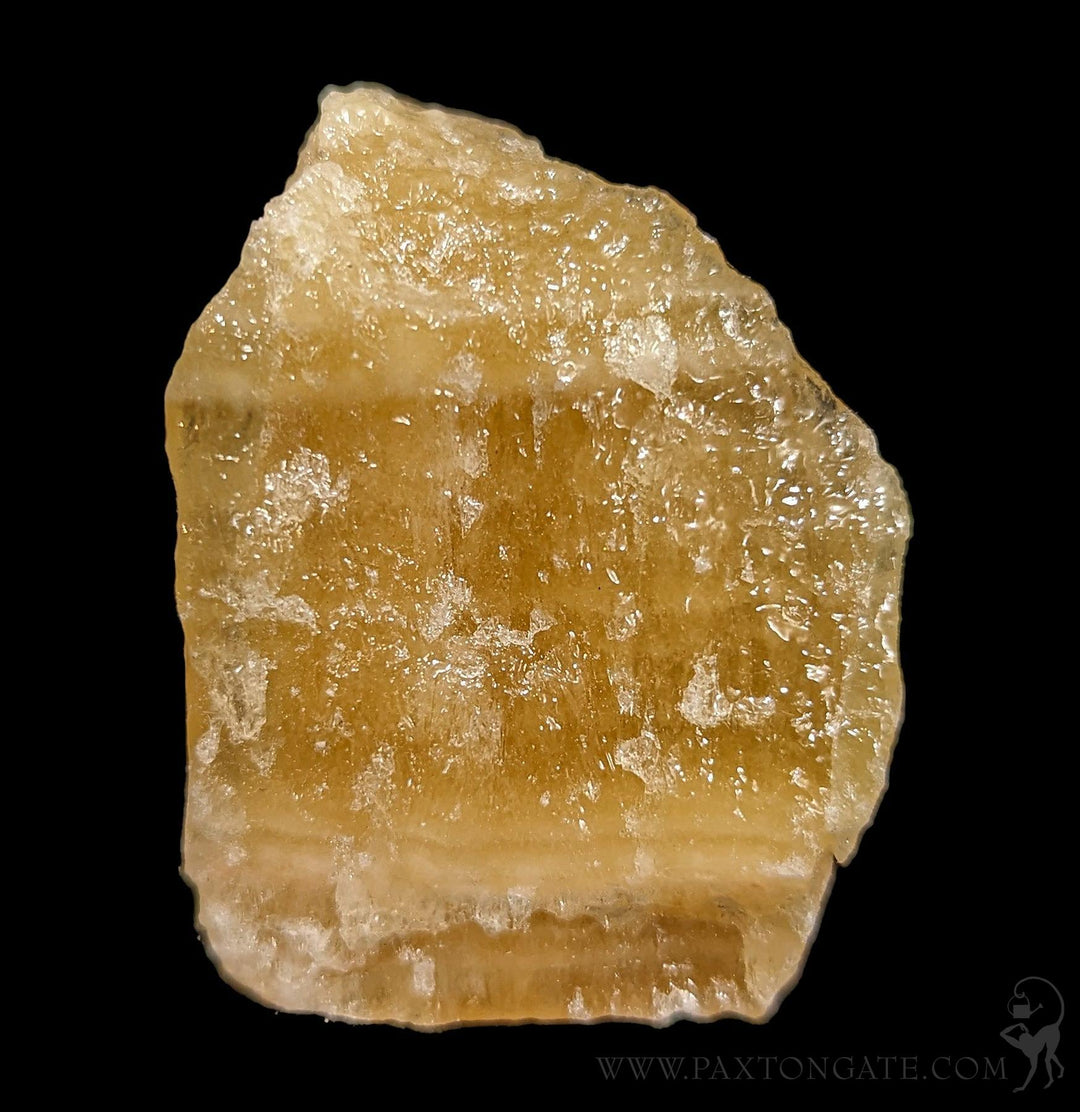
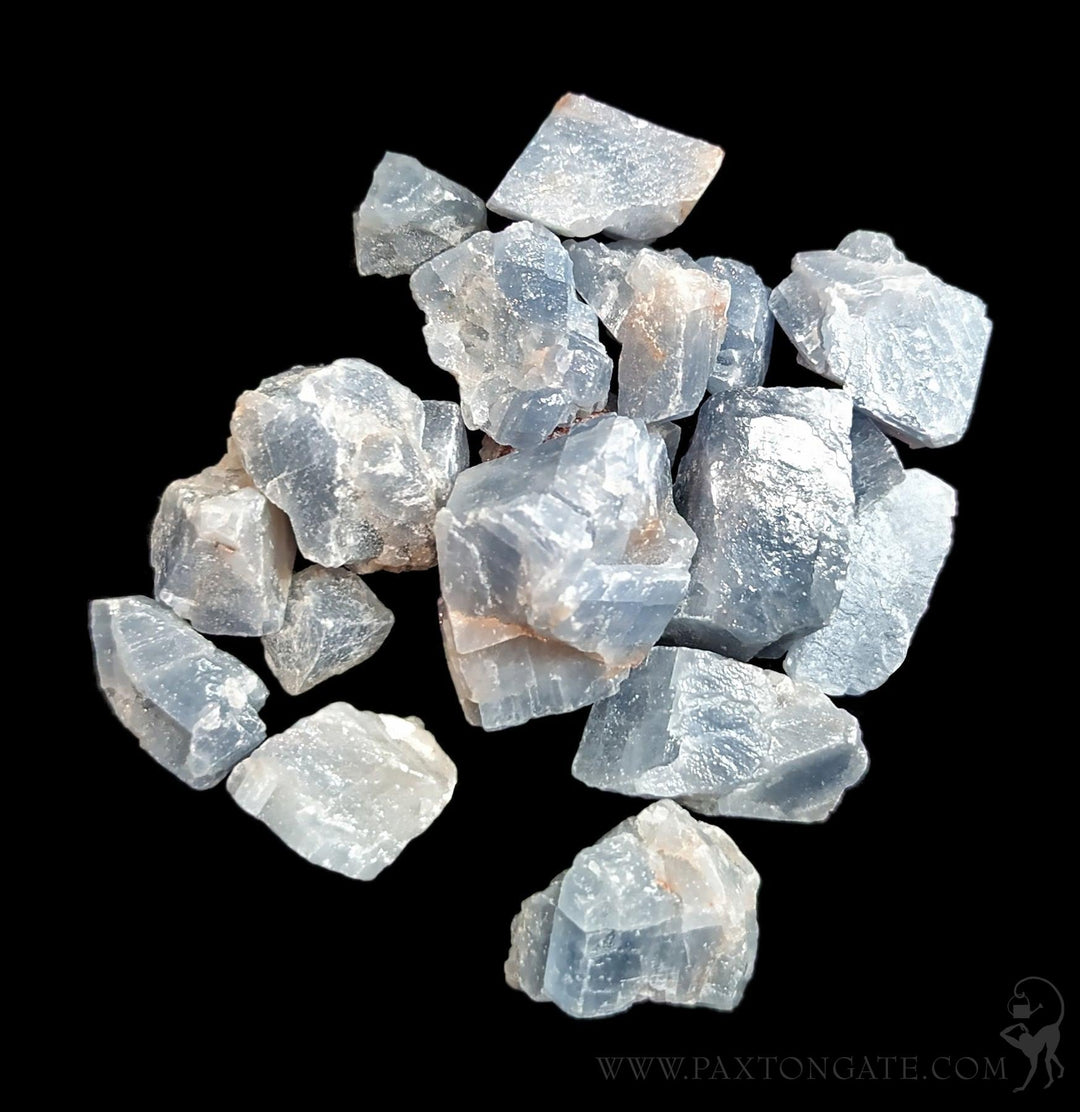
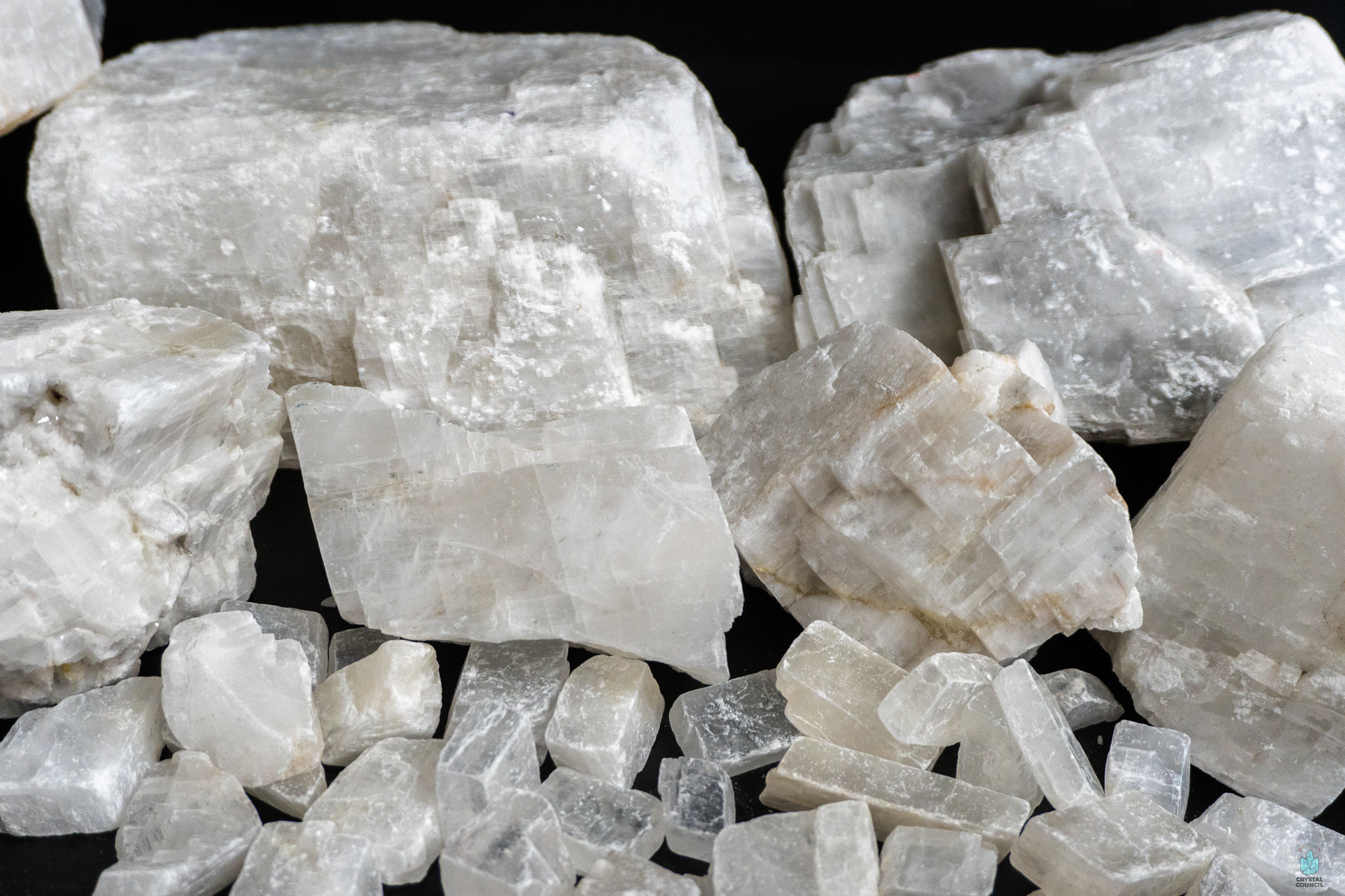
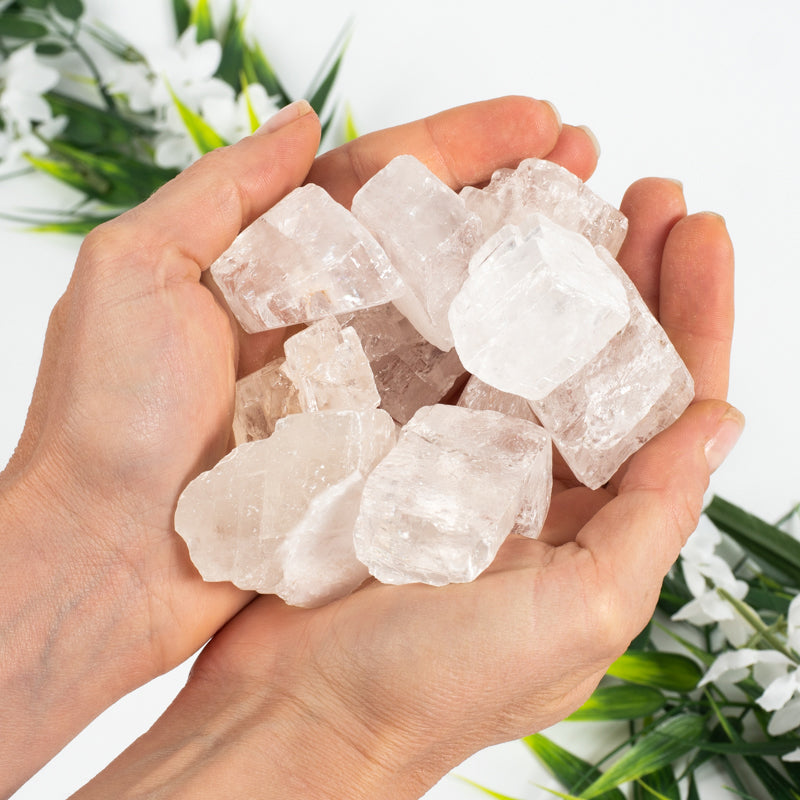
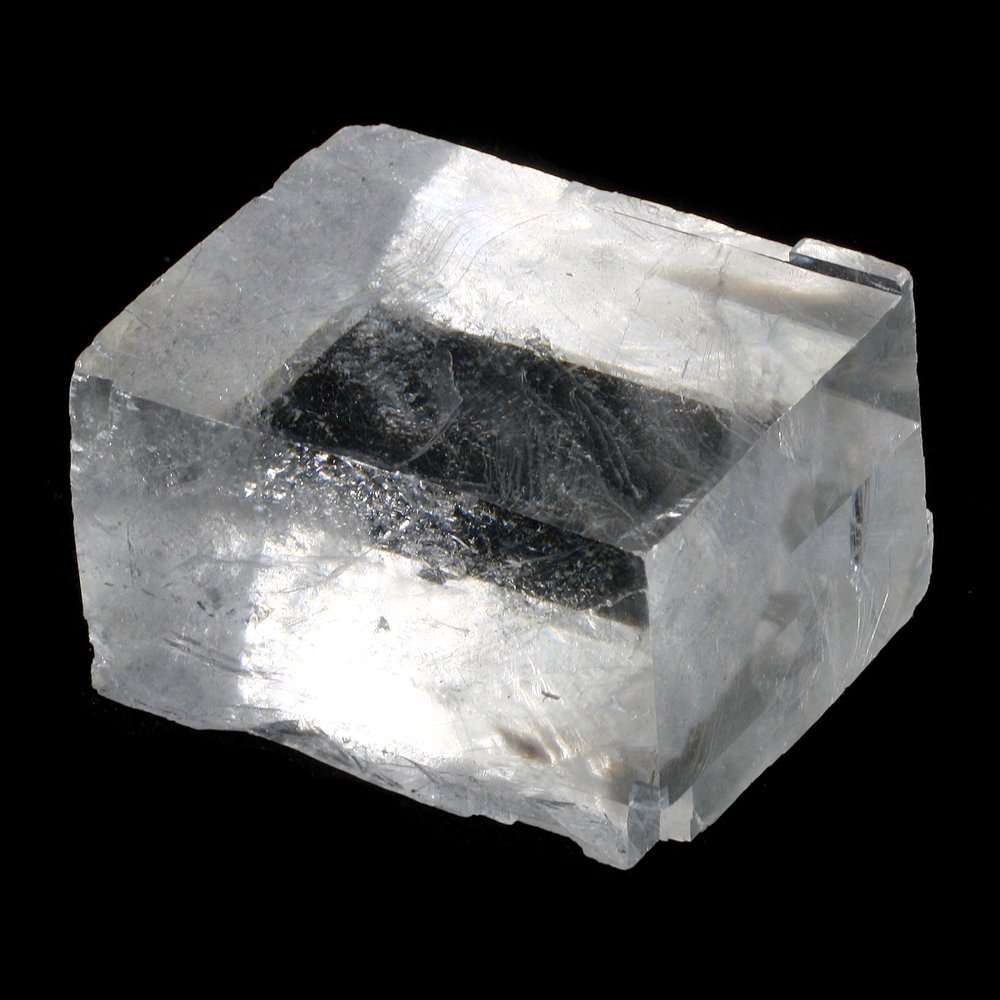
Here are the standard reference minerals used in the Mohs scale:
| Hardness | Mineral | Description |
|---|---|---|
| 1 | Talc | Softest mineral; can be scratched by a fingernail |
| 2 | Gypsum | Soft; used in drywall |
| 3 | Calcite | Found in limestone and marble |
| 4 | Fluorite | Often purple or green |
| 5 | Apatite | Found in teeth and bones |
| 6 | Orthoclase | A common feldspar mineral |
| 7 | Quartz | Very common in Earth’s crust |
| 8 | Topaz | Popular gemstone |
| 9 | Corundum | Includes rubies and sapphires |
| 10 | Diamond | Hardest natural mineral |
Why the Mohs Scale Matters
The Mohs scale helps geologists quickly identify unknown minerals in the field. It also plays a major role in:
- Gemstone grading
- Industrial material selection
- Understanding wear resistance
- Manufacturing tools and abrasives
For example:
- Quartz (7) can scratch glass.
- Diamond (10) is used in cutting tools because of its extreme hardness.
Simple Hardness Reference Guide
You can even use everyday objects for comparison:
- Fingernail: ~2.5
- Copper coin: ~3
- Steel knife: ~5–6
- Glass: ~5.5
If a mineral scratches glass, it’s likely harder than 5.5.
Mohs Scale vs. Other Hardness Tests
While the Mohs scale is excellent for quick identification, it isn’t precise for scientific measurements. More advanced tests, like the Vickers or Brinell hardness tests, measure hardness using exact pressure and indentation.
However, for fieldwork and basic geology education, the Mohs Hardness Scale remains unmatched for simplicity and practicality.
Final Thoughts
The Mohs Hardness Scale is a straightforward ranking system that compares minerals based on their ability to scratch one another. Though created over 200 years ago, it continues to be a foundational tool in geology and gemology.
From soft talc to unbreakable diamond, the scale provides a clear and practical way to understand mineral hardness — and why some stones scratch while others shine.

GMR
Gems and Minerals Rock shares crystal knowledge, rockhounding adventures, helpful guides, and stories from beneath our feet.