When a meteorite strikes Earth, the energy released is almost unimaginable. In a fraction of a second, temperatures soar higher than most volcanic eruptions, rocks melt instantly, and molten material is blasted into the atmosphere. From this violent process, one of the most intriguing natural glasses on Earth is born: tektites.
Tektites are not volcanic. They are not meteorites. Instead, they are terrestrial rocks transformed by extraterrestrial impact—frozen evidence of cosmic collisions.
What Are Tektites?
Tektites are natural glass objects formed from terrestrial debris melted during a meteorite impact. Unlike obsidian, which forms from volcanic lava, tektites originate from the extreme heat and pressure generated during impact events.
They are typically:
- Black, dark brown, or olive green
- Smooth and aerodynamic
- Rich in silica
- Nearly water-free
- Found in specific geographic “strewn fields”
Well-known varieties include:
- Australites
- Moldavites
- Indochinites
- Libyan Desert Glass (often grouped with impact glasses)
The Physics of Impact Glass Formation
1. The Impact Event
When a large meteorite enters Earth’s atmosphere and collides with the surface:
- Shock pressures can exceed 100 gigapascals
- Temperatures can surpass 2,000–3,000°C
- Rock instantly melts and vaporizes
- Material is ejected high into the atmosphere

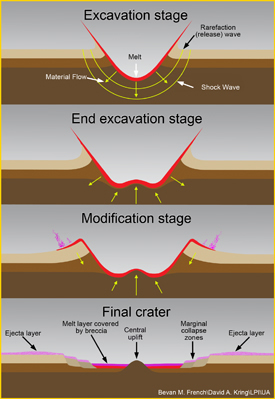
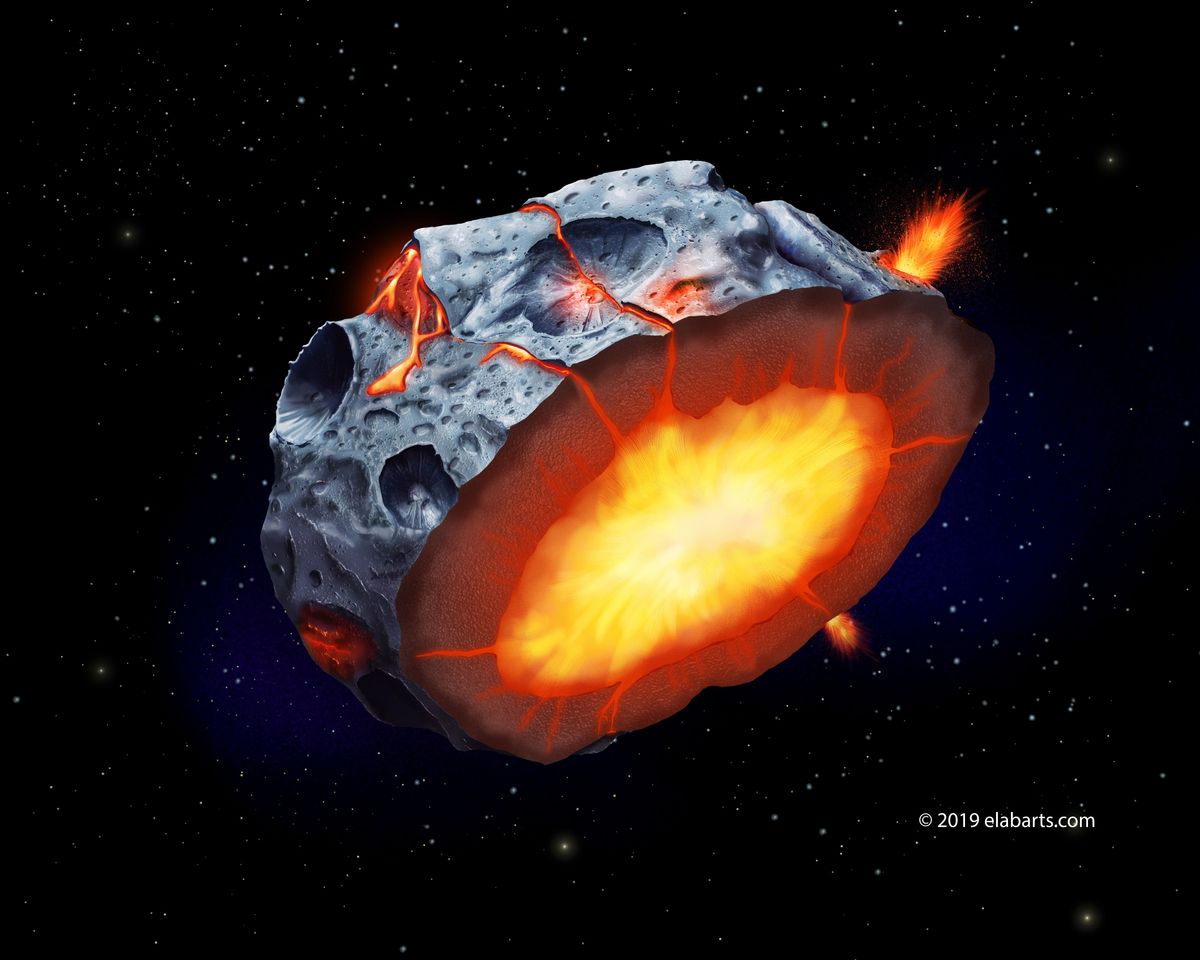

This combination of heat and pressure causes surface rocks to liquefy almost instantly.
2. Ejection and Flight
Unlike impact melt that remains near the crater, tektite material is launched far from the impact site.
As molten droplets travel through the atmosphere:
- They spin and stretch
- Surface tension shapes them into spheres, teardrops, buttons, and dumbbells
- Rapid cooling solidifies them into glass before they hit the ground
Because they cool so quickly, crystals do not have time to form—resulting in a glassy texture.
3. Rapid Cooling and Glass Formation
Glass forms when molten material cools too quickly for atoms to arrange into a crystal lattice.
This process is similar to volcanic glass like obsidian—but the origin is entirely different.
Key differences between volcanic glass and tektites:
| Feature | Volcanic Glass | Tektites |
|---|---|---|
| Formation | Lava cooling | Meteorite impact |
| Water Content | Higher | Extremely low |
| Distribution | Near volcano | Wide strewn fields |
| Shock Features | Rare | Common |
Strewn Fields: Mapping Ancient Impacts
Tektites are found in geographically distinct areas called strewn fields, which can span thousands of kilometers.
Major strewn fields include:
- The Australasian strewn field (largest on Earth)
- The Central European strewn field (associated with the Ries crater in Germany)
- The Ivory Coast strewn field
The distribution pattern helps scientists trace impact locations and estimate the size of the original collision.
Chemical and Structural Characteristics
Tektites have unique properties:
- High silica content (often >70%)
- Extremely low volatile content
- Homogeneous internal structure
- Microscopic flow lines from atmospheric shaping
- Occasionally contain lechatelierite (nearly pure silica glass)
They often lack the metallic components expected in meteorites because they are derived from Earth’s crust—not the impacting body itself.
Moldavite: The Gem of Impact Glass
Among tektites, Moldavites are particularly prized. Their translucent green color and sculpted surfaces make them popular in jewelry and metaphysical communities.
Moldavites formed approximately 15 million years ago during the impact that created the Ries crater in present-day Germany. They are primarily found in the Czech Republic.
Their:
- Distinct etched surface textures
- Olive to forest green color
- Aerodynamic shapes
make them easy to distinguish from other natural glasses.
Libyan Desert Glass: A Special Case
Libyan Desert Glass is a pale yellow to nearly clear natural glass found in the Sahara Desert. While technically classified as impact glass, it differs slightly from classic tektites.
It likely formed from a massive airburst or surface impact around 29 million years ago.
Interestingly, a piece of Libyan Desert Glass was used in a scarab pendant belonging to Pharaoh Tutankhamun.
Why Tektites Matter
Tektites provide critical scientific insights into:
- Impact dynamics
- Shock metamorphism
- Planetary surface processes
- Earth’s geological history
- The frequency of large impact events
They are time capsules from moments when Earth collided with objects from space.
Final Thoughts
Tektites are born from catastrophe—but preserved in beauty. Formed in seconds during explosive impact events, they capture extreme pressure, intense heat, and atmospheric flight in solid glass.
Unlike volcanic stones forged by internal forces, tektites are shaped by cosmic encounters. Each piece is a fragment of an ancient impact, frozen in time, reminding us that Earth’s geological story is intertwined with the broader universe.

GMR
Gems and Minerals Rock shares crystal knowledge, rockhounding adventures, helpful guides, and stories from beneath our feet.